![[Person struggling with online form due to name error]](/media/blog/images/1.jpg)
We all know the sinking feeling of filling out an online form and seeing an error message pop up. But for some people in the UK, this is a daily reality caused not by a bad internet connection, but by their own name. Whether it is a hyphen that banking systems refuse to accept, a surname that is too long for a driving licence, or characters that get mangled by government databases, having a "complicated" name can be a genuine administrative burden.
At UK Name Change, we frequently help clients who love their heritage but are exhausted by the bureaucracy. They aren't changing their identity; they are simply streamlining their data to fit into the rigid digital boxes of modern life. Here is how administrative complications arise and how a Deed Poll can offer a permanent solution.
When "Computer Says No"
In an ideal world, every name would be accepted exactly as it is given. However, the UK’s digital infrastructure—from credit reference agencies to utility providers—often relies on legacy systems that are surprisingly inflexible. If your name falls outside of the standard "First Name + Surname" format using only A-Z characters, you may face constant hurdles.
These aren't just minor annoyances. Mismatched data across different systems can lead to:
- Credit Score Issues: If your bank records your name as "O’Connor" but the electoral roll records it as "OConnor" (stripping the apostrophe), the automated link between your identity and your address may break, damaging your credit rating.
- Travel Delays: Airlines are notoriously strict. If your passport has a special character but your boarding pass doesn't, you could face intense scrutiny at the gate.
- Lost Correspondence: Names that are too long often get truncated on envelopes, leading to mail being returned or lost.
Common "Problem" Names in the UK
Through our work in London and across the UK, we have identified three main categories of names that trigger administrative alerts.
1. Punctuation and Special Characters
Many names, particularly of Irish, French, or African origin, contain apostrophes, hyphens, or accents (diacritics). While UK passports can show accents (like é or ü), many UK banking systems and the DVLA often strip them out or replace them with error codes. This creates a "data mismatch" where your primary ID does not match your financial footprint.
2. Excessive Length
Double-barrelled surnames are popular, but triple-barrelled names—or names with multiple middle names—often hit character limits. A credit card only has so much physical space for embossing. If your full legal name is "Elizabeth Alexandra Mary Mountbatten-Windsor-Smythe," you will likely find your name cut off on official letters, which can cause issues when using those letters as proof of address.
3. Naming Order Confusion
In many cultures, the family surname comes first, followed by the given name. When migrating to the UK, this often results in the names being flipped in some databases but kept original in others. The result is that half of your providers think your first name is your surname. This is a nightmare for identity verification checks.
The Solution: Strategic Simplification
Changing your name doesn't mean you have to abandon your heritage. Many of our clients use a Deed Poll to create a "legal" name that is easier to manage, while keeping their original name for social use.
Removing Special Characters: If you are tired of the apostrophe in "D'Arcy" causing database errors, you can legally change the spelling to "Darcy." This small tweak ensures 100% consistency across all digital platforms.
Shortening or Moving Names: If you have a very long name, you might choose to move some elements to "middle names" and shorten your legal surname. For example, changing "Sarah Jane Smith-Jones-Williams" to "Sarah Jane Smith Jones Williams" (making Williams the only surname) or simply "Sarah Williams." This ensures your essential First and Last names always fit on the page.
Anglicisation for Clarity: Some clients choose to legally adopt the English spelling of their name (e.g., changing "Michał" to "Michael") to stop spelling errors over the phone. You can still ask friends and family to use the original pronunciation, but your legal documents will become much easier to administer.
How to Do It Legally
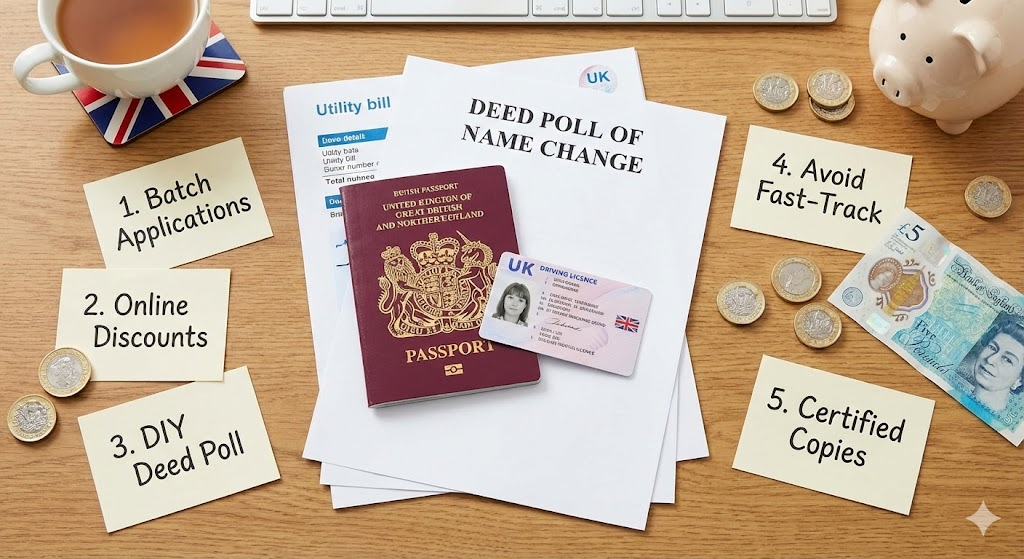
To fix these administrative complications, you cannot just start using a simpler name; you must formally change it via Deed Poll. This document allows you to:
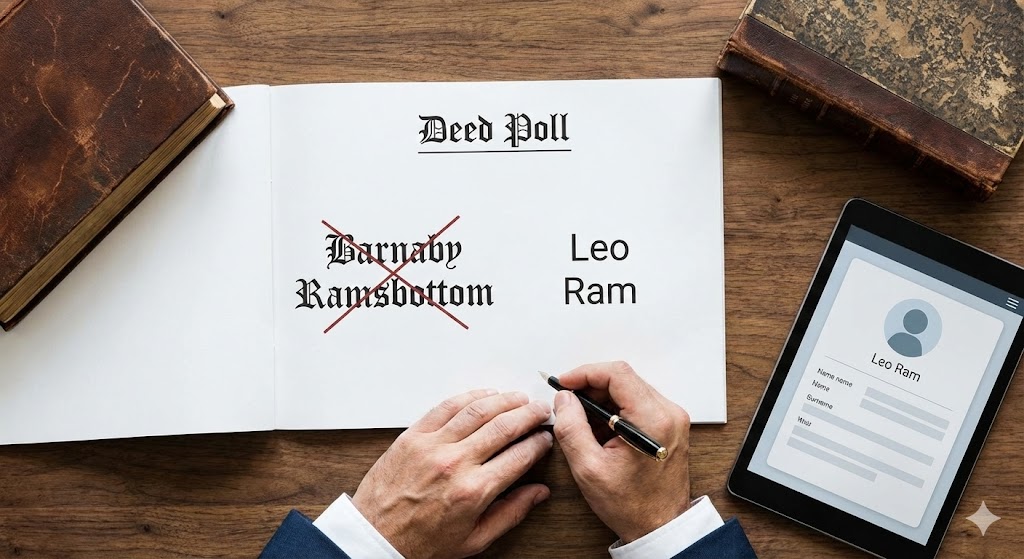
- Renounce the "complicated" version of your name.
- Adopt the new, simplified version.
- Provide evidence to all organisations (Banks, HMPO, DVLA) to update their records simultaneously.
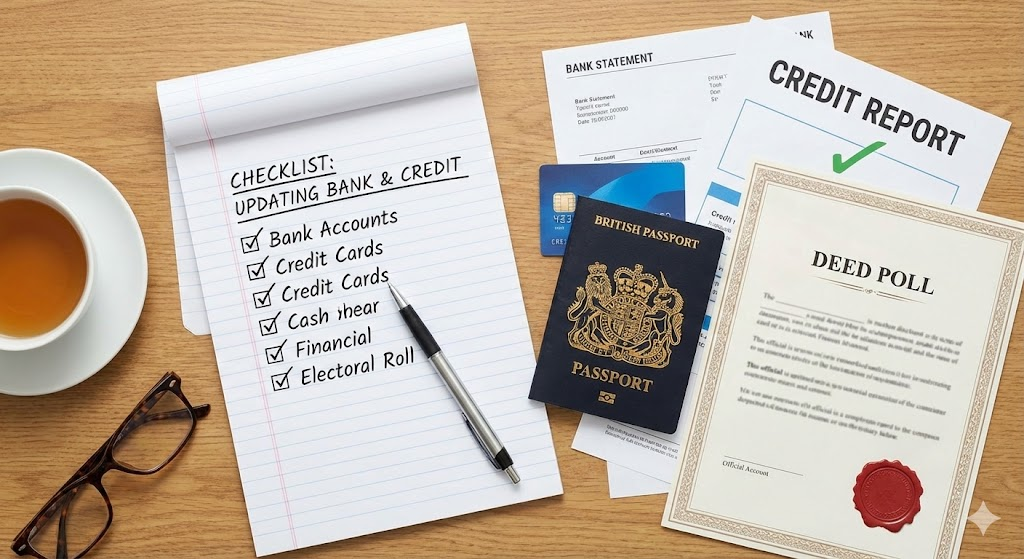
Once you have your Deed Poll, you can sweep through your life admin—updating your passport, driving licence, and bank accounts—so that every single record matches perfectly. This "clean slate" approach is the most effective way to repair a fragmented credit history caused by name mismatches.
Conclusion
Your name is a fundamental part of who you are, but it shouldn't be a barrier to getting a mortgage, boarding a plane, or opening a bank account. If you are finding that administrative errors are costing you time and money, a legal name change might be the practical solution you need.
We can help you draft a Deed Poll that respects your identity while smoothing out the bureaucratic bumps in the road.
Ready to simplify your life? Contact our team to discuss how to streamline your legal name today.