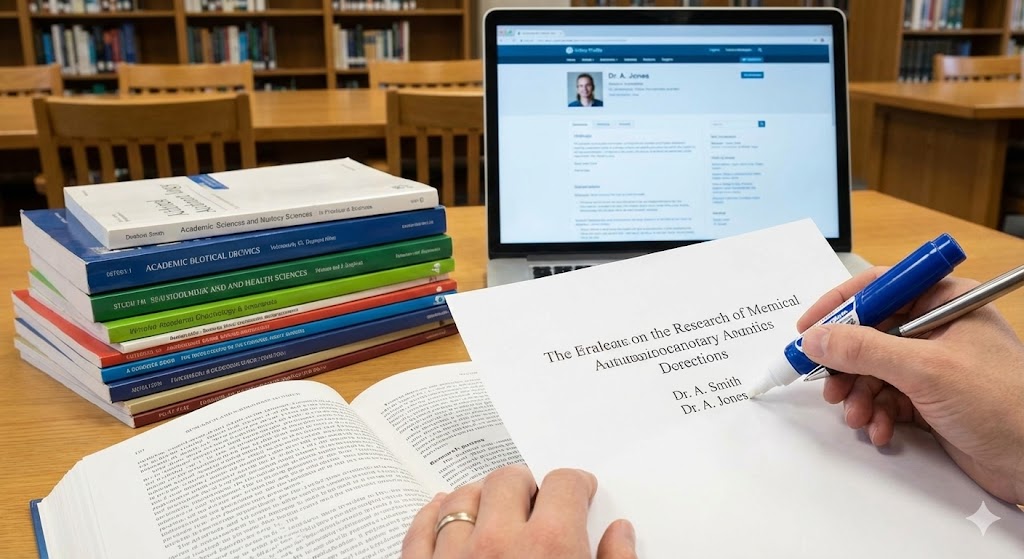
Having a common name like John Smith or sharing a name with a parent (e.g., James Jr. and James Sr.) can be more than just a minor annoyance. In the digital age, it can lead to a phenomenon known as identity collision.
We regularly hear from clients whose credit scores have been ruined by a stranger's debt, or who are constantly stopped at airport security because they share a name with someone on a watchlist. This isn't identity theft; it's identity confusion.
At UK Name Change, we help people define their legal identities clearly. Here is how to untangle yourself from someone else's data.
1. The Credit Nightmare: "Co-mingled Files"
Credit Reference Agencies (like Experian, Equifax, and TransUnion) use "fuzzy matching" to compile your report. If you share a name and address with someone (like your father), or even just a name and date of birth with a stranger, their financial data can accidentally merge with yours.
The Symptoms:
- Unexpected drops in your credit score.
- Loans or credit cards appearing on your file that you didn't open.
- Being rejected for a mortgage despite having good history.
The Fix: The Notice of Correction You cannot simply "delete" the file, but you can force a separation. Contact the Agencies: Write to all three major UK agencies. State clearly: "My credit file has been co-mingled with [Name]. We are different people. Please separate our files."
2. The "Financial Association" Trap
If you have ever had a joint account (even just for bills) with someone who shares your name, you are "financially associated." Their bad credit becomes your bad credit.
The Fix: Notice of Disassociation If you no longer share finances with that person (e.g., you moved out or closed the account), you must apply for a Notice of Disassociation. You must prove to the credit agencies that the financial link is broken. Once accepted, their credit history will stop impacting yours.
3. Travel and Border Control Issues
If you are frequently stopped at e-gates or pulled aside for questioning, you may share a name with someone on a government "Watchlist" or "No Fly List."
The Fix: Differentiate Your ID Border Force agents look at the Machine Readable Zone (the code at the bottom of your passport). If your name is Mohammed Ali, and a person of interest is also Mohammed Ali, the system flags you.
- Use Your Middle Names: Always book flights using your full legal name as it appears on your passport. If the watchlist target is "Mohammed Ali" but your ticket says "Mohammed James Ali," this is often enough to bypass the automatic flag.
- Carry Secondary ID: Keep a second form of ID (like a driving licence) handy to prove your date of birth quickly.
4. The Nuclear Option: Changing Your Name
If the confusion is ruining your life—for example, if you are a "Junior" constantly being chased for your father's debts, or if you share a name with a notorious criminal—the most effective solution is often to change your name legally.
You do not have to lose your identity completely. Small tweaks can make a massive difference to database algorithms:
- Add a Middle Name: Changing John Smith to John Michael Smith creates a unique identifier.
- Change the Spelling: Changing Bryan to Brian breaks the "exact match" link.
- Double-Barrel: Adding a mother's maiden name (e.g., John Smith-Jones) ensures you are never mistaken for the other John Smith again.
5. How We Help You Break Free
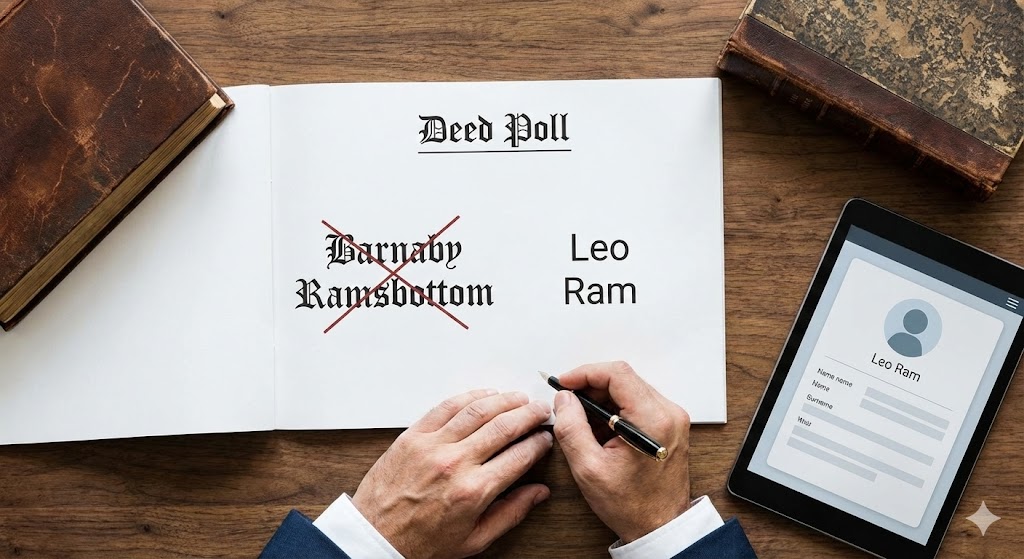
Separating your identity requires legal proof. A Deed Poll is the definitive document that draws a line in the sand, allowing you to tell banks, credit agencies, and the Passport Office: "I am no longer that person. I am this person."
Our Complete Package (£39.99) provides the legal firepower you need to force organisations to update their records and treat you as an individual.
HTML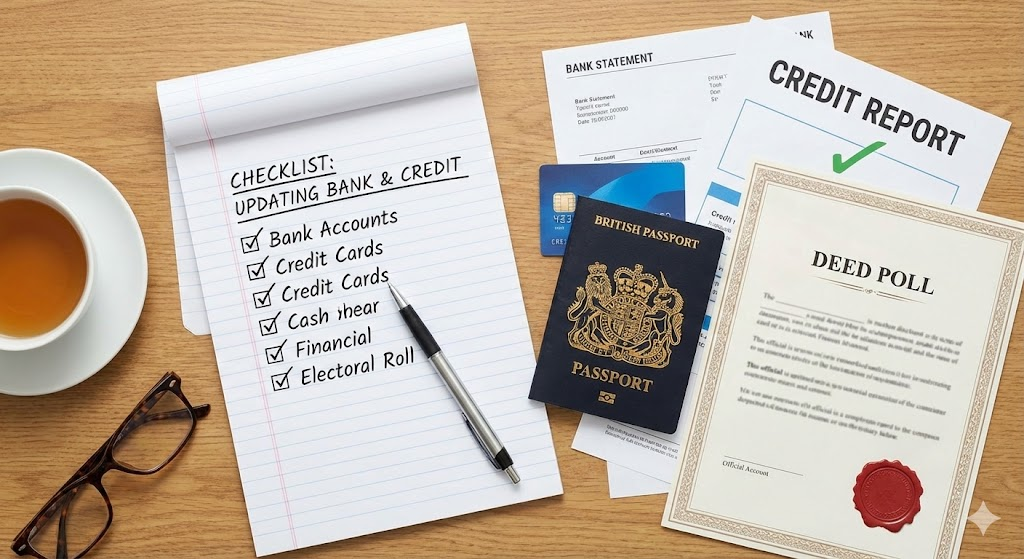
![[Person struggling with online form due to name error]](/media/blog/images/1.jpg)