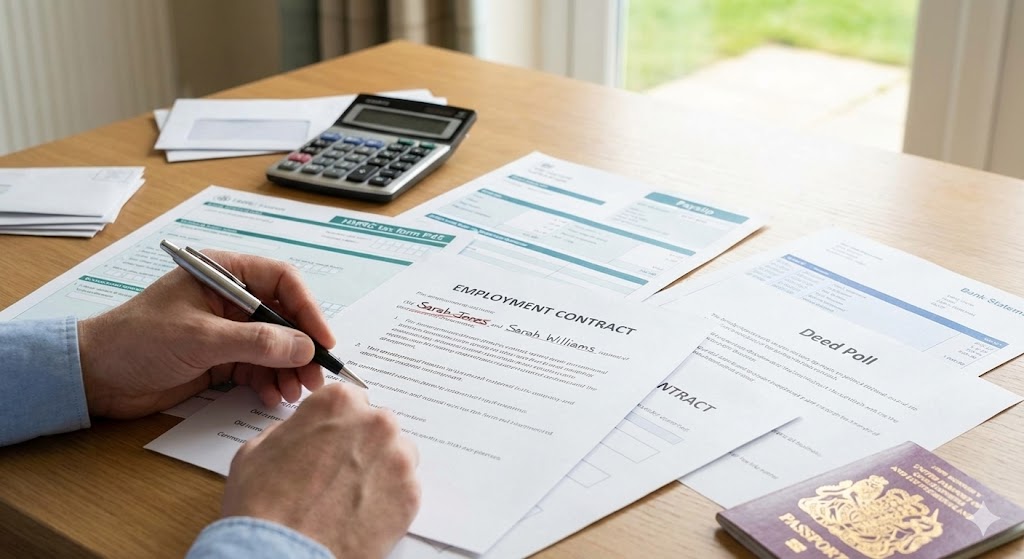
When you change your name, you are changing your identity, but you are not becoming a completely new legal entity. One of the biggest worries our customers have is how a name change affects their financial footprint. Will I lose my credit rating? Will I pay emergency tax? Can I leave my debts behind?
The short answer is: No, your financial history travels with you.
However, failing to update these institutions correctly can lead to administrative headaches, frozen accounts, or a temporary dip in your credit score availability. Here is everything you need to know about the tax and banking implications of changing your name.
1. HMRC and Your Taxes
A common myth is that changing your name might "reset" your tax status or cause issues with your state pension. This is incorrect because of one specific number: Your National Insurance (NI) Number.
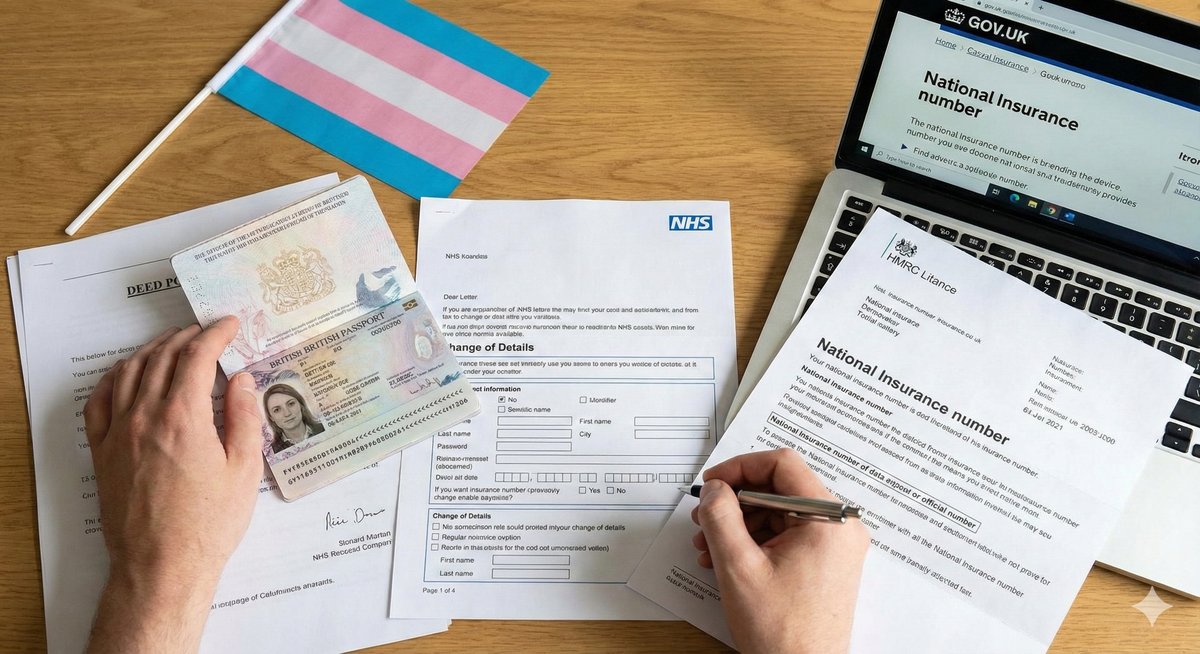
Your NI number is unique to you for life. It never changes, even if you change your name, gender, or address. HMRC uses this number to track your income tax and National Insurance contributions.
The Implication
You must notify HMRC of your name change immediately. If your employer is paying you under your new name, but HMRC still holds your old name, there may be a mismatch in their system. While the NI number usually ties it together, discrepancies can lead to delays in tax rebates or confusion over pension contributions.
Action: You can update your details with HMRC online using your Personal Tax Account. It is free and takes minutes.
2. Banking and Fraud Prevention
Banks are legally required to know exactly who their customers are to prevent money laundering and fraud. If you start using a new name but your bank account remains in your old name, you may run into trouble when:
- Receiving cheques made out to your new name (the bank will refuse to cash them).
- Passing security questions over the phone.
- Applying for a mortgage or loan.
The Process
Unlike utility companies, you usually cannot update your bank name over the phone. Most high-street banks require you to visit a branch in person with your original deed poll and a form of ID (like your old passport). They will take a copy of the deed poll and update your cards and statements.
3. The "Credit Score" Gap
This is the most critical financial implication. Your credit score is based on your history of borrowing and repaying money. If you change your name and open new accounts, credit reference agencies (like Experian, Equifax, and TransUnion) might assume you are a person with no credit history, rather than a person with a good credit history.
To avoid your credit score plummeting to zero, you need to create a link between your old name and your new name.
How to fix it:
When you update your name with your bank and lenders, they notify the credit reference agencies. The agencies then add an "alias" note to your file, effectively stitching your old financial life to your new one.
Tip: It is worth checking your credit report 3 months after your name change to ensure your old and new files have been merged correctly.
4. Can I Leave Debt Behind?
It is important to be crystal clear on this: Changing your name does not erase debt.
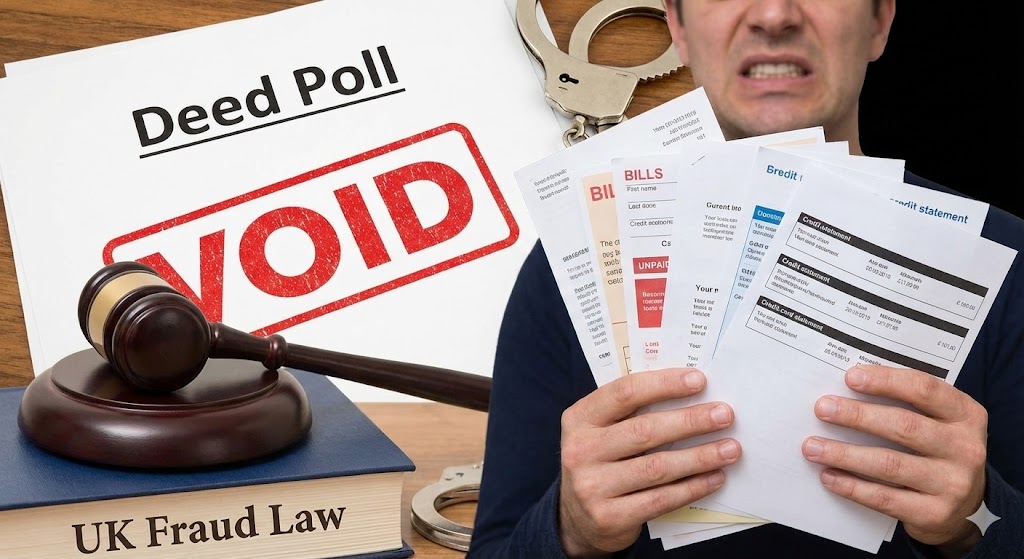
Legal debts are attached to the individual, not the text string of their name. Attempting to use a name change to hide from creditors is considered fraud. When you update your records, your creditors will simply update the name on the debt. If you fail to notify them and they trace you later (which they will, via the Electoral Roll or NI number), it can lead to CCJs (County Court Judgments) being issued against you without your knowledge.
Conclusion
Changing your name has no negative tax or banking implications provided you are proactive. It doesn't reset your taxes, and it doesn't delete your credit history—as long as you inform everyone promptly.
The key to a smooth financial transition is a legally valid deed poll that banks will accept without question. Get your accepted deed poll here.