For many of our clients, changing their name is not just about preference—it is about protection. Whether you are escaping a stalker, leaving a volatile relationship, or simply reclaiming your privacy in an increasingly connected world, you want to ensure that your new identity remains yours alone.
However, we often see people make a critical mistake: they assume that a "legal name change" automatically hides them. In reality, without the right steps, you could accidentally create a public link between your old self and your new life.
At UK Name Change, we specialise in private, secure identity changes. Here is how to change your name legally while minimising the risk of being tracked.
1. The Golden Rule: Stay "Unenrolled"
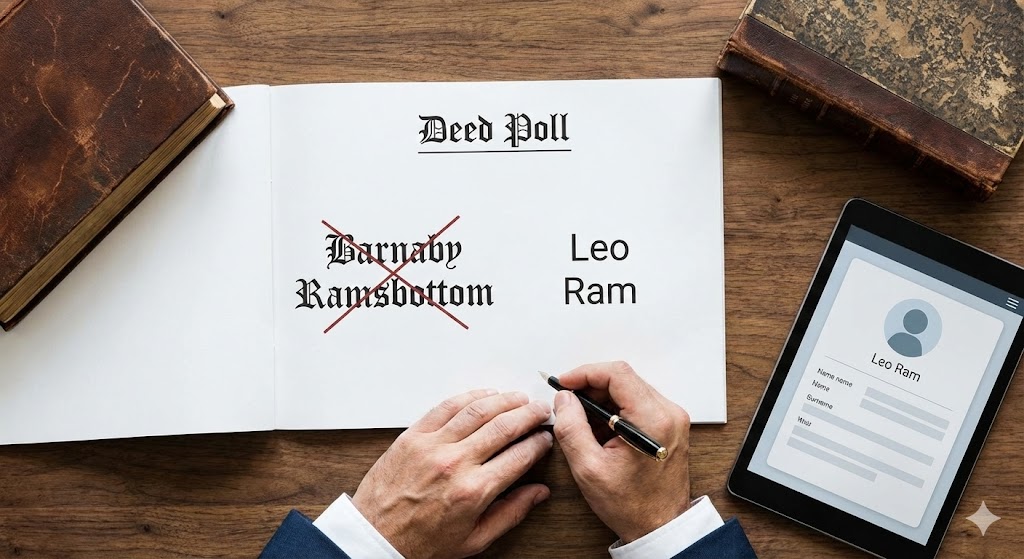
If you are trying to stop someone from finding you, the most important decision you make is the type of Deed Poll you choose.
The Danger of "Enrolling": You might read that "enrolling" your Deed Poll with the Royal Courts of Justice makes it "official." While this is a valid legal route, it is terrible for privacy. Enrolling requires your name change to be published in The London Gazette. This creates a permanent, searchable internet record listing your Old Name, New Name, and Home Address. It is a gift to anyone trying to track you.
The Safe Option: Unenrolled Deed Polls We provide Standard (Unenrolled) Deed Polls. These are private legal documents. They are fully accepted by the Passport Office, DVLA, banks, and the police, but they are never published. There is no public list, meaning a stalker searching your old name will find no digital trail leading to your new one.
2. The Paper Trail: Electoral Roll & Companies House
Even with a private Deed Poll, government databases can accidentally reveal your location. You must be proactive here.
The Electoral Roll
Credit reference agencies and "people finder" websites often scrape data from the Open Electoral Register.
- Immediate Action: Contact your local council and opt out of the "Open Register."
- High Risk? If you are in danger, apply for Anonymous Registration. This allows you to vote without your name or address appearing on any version of the register. You will need to provide evidence, such as a court order or an attestation from a police officer or social worker.
Companies House
If you are a company director, your address is usually public.
- Use a Service Address (e.g., your accountant's office) for all public correspondence.
- If your home address is already listed historically, apply to have it suppressed (Form SR01).
3. Digital Hygiene: Break the Link
Changing your legal name is useless if your digital footprint connects the dots. A common mistake is simply "renaming" old social media accounts.
Do Not Rename. Delete and Re-create. Social media platforms often have hidden "User IDs" that remain the same even if you change your display name. If someone has your old profile link saved, it will redirect to your new name.
- Social Media: Deactivate old accounts. Create entirely new ones with new email addresses.
- Passwords: Change every password. Avoid security questions with answers your tracker might know (e.g., "Mother's Maiden Name" or "First Pet").
- Email: Abandon your old inbox. Set up a fresh email for your new identity and use this for all new utility and bank registrations.
4. The "People Finder" Sites
Websites like 192.com or various "people search" engines aggregate data from public records. Once you have changed your name and moved house, proactively search for yourself.
If you find a record, contact the site immediately. Under GDPR, you have the "Right to Object" to your data being processed if it puts you at risk. Most reputable UK sites have a specific removal request form for this purpose.
How We Help You Stay Hidden
We understand that privacy is paramount. That is why our Complete Package (£39.99) is designed for discretion.
- Private Documentation: We issue Unenrolled Deed Polls that leave no public record.
- Secure Delivery: Our envelopes are plain and unbranded.
- Notification Checklists: Our digital dashboard helps you track exactly who you have told about your new name, ensuring you don't accidentally leave an old account active that could be used to trace you.
Your safety is worth more than any convenience. Take the time to close the loops, secure your data, and build your new life on a private foundation.
Note: If you are in immediate danger, please call 999. For specialist advice on stalking, contact the National Stalking Helpline on 0808 802 0300.
Secure your privacy today. Start your confidential application.
HTML![[Person struggling with online form due to name error]](/media/blog/images/1.jpg)