Marriage is the coming together of two lives, but in an interfaith marriage, it is often the coming together of two distinct cultures, histories, and naming traditions. Whether you are blending a traditional English surname with a South Asian family name, or merging Jewish and Christian identities, the question of "What do we call ourselves?" can be complex.
In the UK, the days of automatically taking the husband's surname are long gone. Couples today have a spectrum of choices that allow them to honour both sides of their new family. At UK Name Change, we help thousands of couples navigate these choices, ensuring that their new legal identity respects their shared future without erasing their individual pasts.
Option 1: Double-Barrelling (Hyphenating)
Double-barrelling is a popular choice for interfaith couples who want to maintain a visible link to both families. For example, if Sarah Cohen marries David Smith, they might become Sarah and David Cohen-Smith.
Do You Need a Deed Poll?
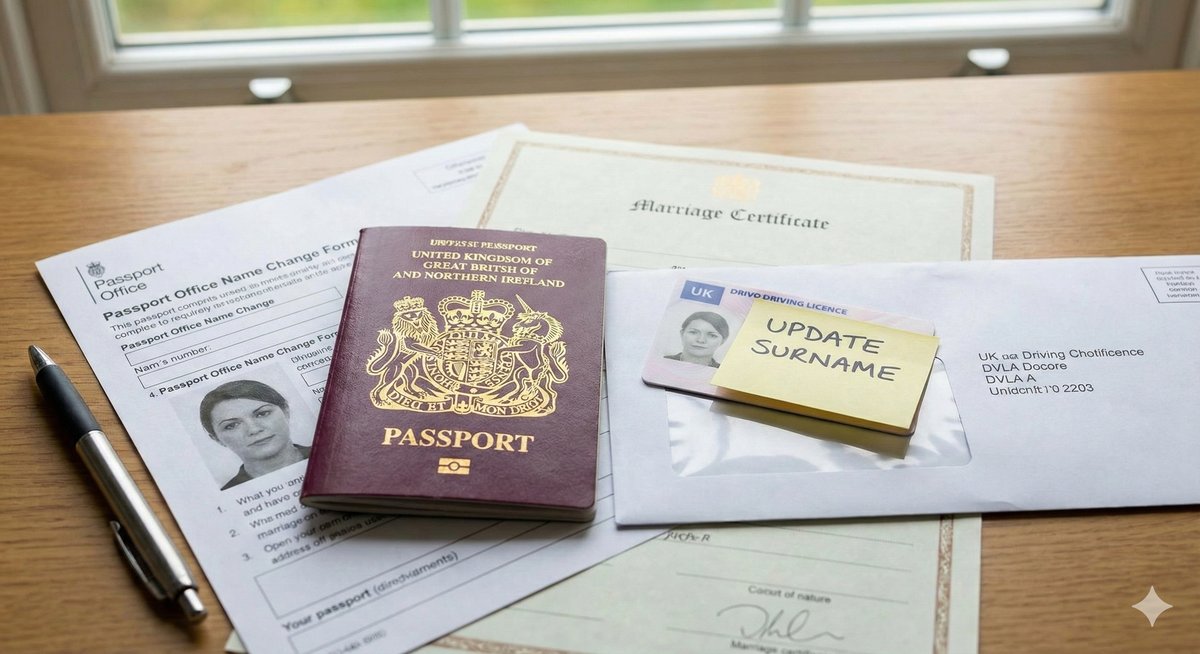
Technically, government bodies like the Passport Office will often accept a marriage certificate as evidence for a simple double-barrelled surname. However, we find that banks and private institutions can be inconsistent. Some may refuse to update your account without a Deed Poll, especially if the new name is long or complex.
Executing a Deed Poll guarantees that your new double-barrelled name is accepted everywhere, instantly removing any administrative friction.
Option 2: Meshing (Blending Surnames)
A rising trend among modern couples is "meshing"—creating a brand new surname that combines elements of both original names. This is a beautiful way to symbolise the creation of a new, shared entity.
Example: Priya Patel and James Ellis might become Mr and Mrs Patellis.
The Legal Requirement
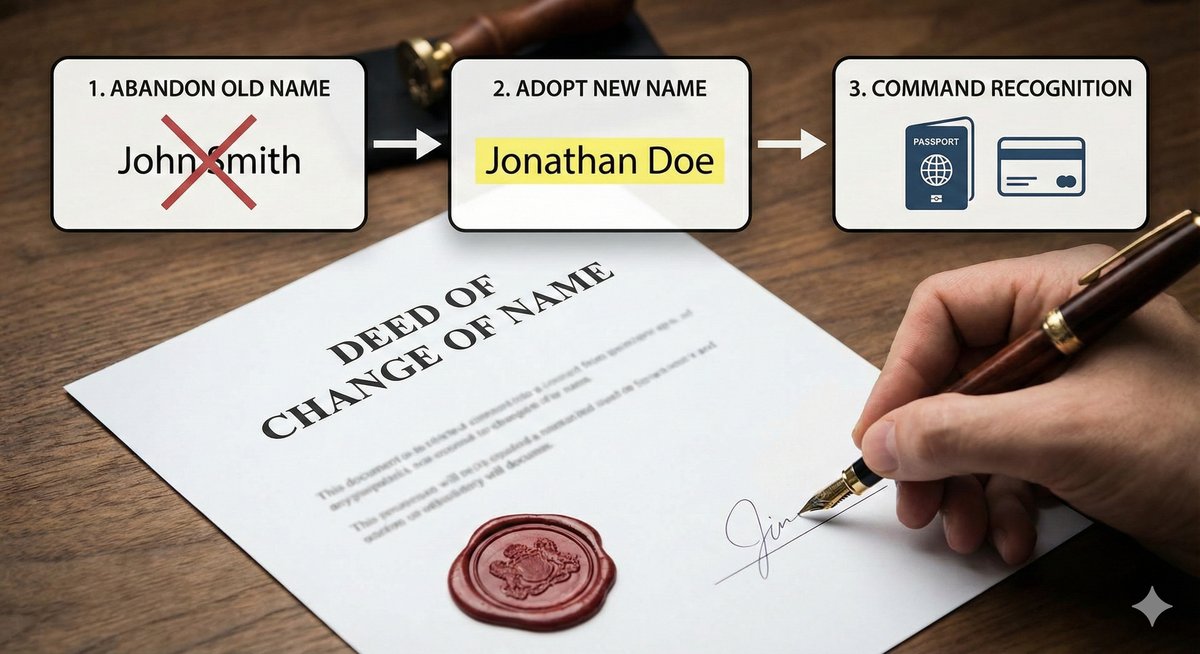
Unlike double-barrelling, you cannot use your marriage certificate for this. A marriage certificate only proves you are married; it does not give you the legal right to invent a new name. To mesh surnames, both partners must execute a Deed Poll to legally adopt the new, blended name.
Option 3: Keeping Your Name / Middle Name Compromise
In some cultures and religions (such as Islam), it is traditional for a woman to keep her father's surname after marriage. In others, taking the husband's name is the norm. A common compromise in the UK is to move one surname to a Middle Name.
Example: Chloe Miller marries Amir Khan. She wishes to take his surname but keep her link to her family. She changes her name to Chloe Miller Khan.
Important: Because you are changing the "structure" of your name (moving a surname to a middle name), a marriage certificate is rarely sufficient. You will need a Deed Poll to legally reclassify "Miller" as a middle name rather than a surname.
Navigating the Paperwork
Regardless of which option you choose, the administrative load can be heavy. You must update your Passport, Driving Licence, NHS records, and financial accounts to ensure they all match.
How We Can Help
If you are planning a wedding, you already have enough admin to worry about. Our Complete Package (£39.99) simplifies the legal name change process:
- Joint Applications: We make it easy for couples to apply together.
- Digital Dashboard: Access step-by-step guides for the Passport Office and DVLA.
- Template Letters: Ready-to-send notifications for your banks and utilities, ensuring you don't spend your honeymoon on hold with customer service.
Your name is the headline of your story. Whether you choose to hyphenate, mesh, or keep your own, we are here to ensure the legal paperwork is flawless.
HTML