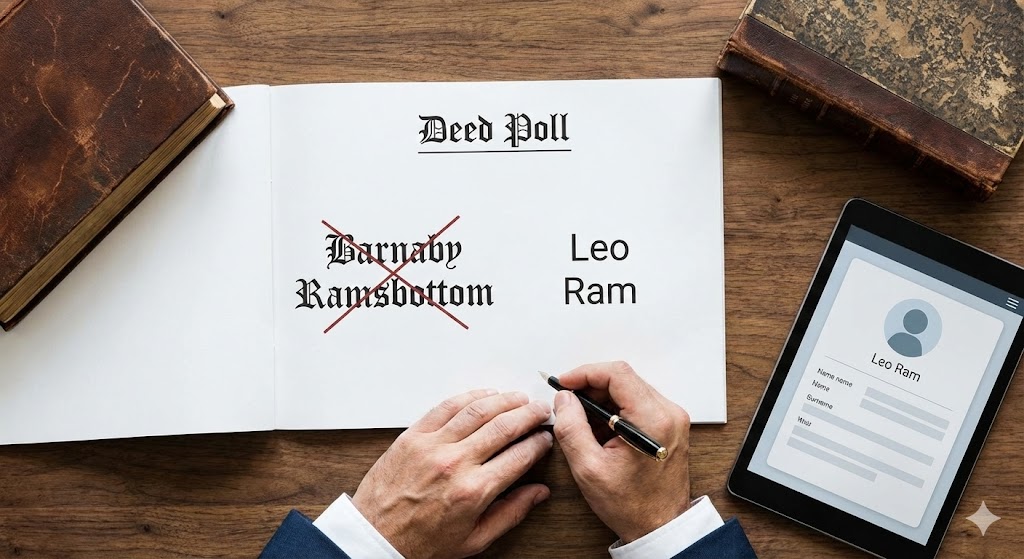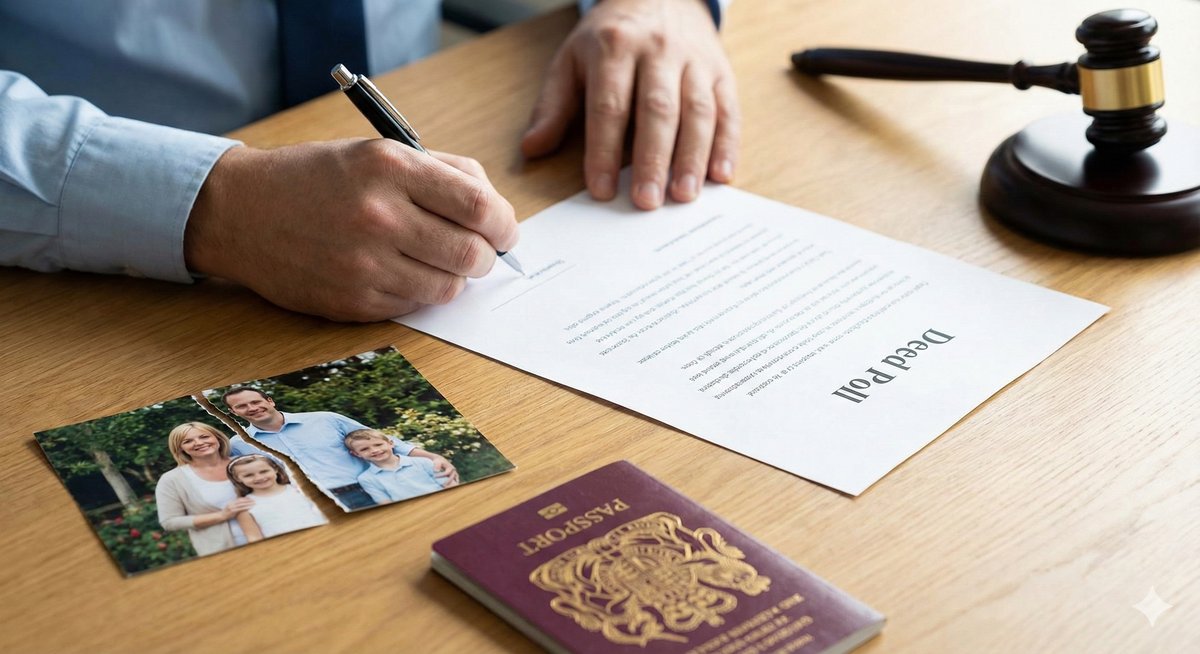
Your name is the most personal thing you own. Yet, for many families, a surname is treated like a piece of communal property—an heirloom that must be preserved and passed down without question.
Deciding to change your name can trigger intense emotional reactions. We frequently hear from clients whose parents feel hurt, rejected, or angry at the prospect of their child dropping the family name. You might hear accusations of "disrespecting the lineage" or "erasing your heritage."
While we cannot solve the emotional fallout at the dinner table, we can clarify the legal reality. If your family objects to your name change, where do you stand with the law?
The Legal Reality: Total Autonomy
In the UK, the law is crystal clear: Your name belongs to you, and you alone.
Once you turn 16, you gain full legal independence regarding your identity.
- You do NOT need permission: You do not need your parents’ consent, your spouse’s permission, or your family’s blessing to change your name.
- You do NOT need a reason: You don't have to prove "good cause." Whether you are changing it to escape a toxic past, to match a new partner, or simply because you dislike the sound of it, the reason is legally irrelevant.
If you are over 16, your parents cannot block your application. They cannot call the Passport Office to cancel your new passport. They have absolutely no legal veto power.
The "Inheritance" Fear
A common threat used by objecting families is: "If you change your name, you are out of the Will." or "You won't be able to inherit anything if your name doesn't match."
Let’s debunk this myth.
Changing your name does not legally disinherit you.
If you are named in a Will as "John Smith" but you have legally changed your name to "John Doe," you are still the same beneficiary.
How it works:
- When the time comes to administer the estate, you simply provide the executors with your Deed Poll alongside your ID.
- The Deed Poll provides the legal link between the person named in the Will (your old name) and the person standing before them (your new name).
- As long as you can prove the link, your entitlement to the inheritance remains exactly the same.
Note: Of course, a family member could choose to rewrite their Will to remove you, but simply changing your name does not invalidate existing bequests automatically.
Privacy: Keeping It Quiet
If your family relations are volatile, or if you are changing your name specifically to distance yourself from estranged relatives, privacy is paramount.
You might be worried that your family will find out about the change via public records. This depends on how you process your Deed Poll.
The Danger of "Enrolling"
Some solicitors may suggest "enrolling" your Deed Poll at the Royal Courts of Justice. If your family objects, do NOT do this.
Enrolling a Deed Poll is an optional process that publishes your change of name in The London Gazette. This is a public newspaper. It lists your old name, your new name, and your full home address. If your family Googles your name, they will find this entry.
The Solution: Unenrolled Deed Poll
The standard "Unenrolled" Deed Poll (which is what we provide) is a private legal document. It is not published anywhere. It is accepted by the Passport Office, DVLA, banks, and Land Registry, but it leaves no digital footprint for prying relatives to find.
Handling "Disrespect" Claims
While the law is on your side, the guilt trip can be heavy. Here are three common scenarios and the legal perspective:
1. "You are erasing your father's name"
Many people change their names to remove an absent or abusive father's surname. This is not about erasure; it is about accuracy. If that parent played no role in your life, you are under no legal obligation to advertise their name on your ID card every day.
2. "You can't change it, it's on your birth certificate"
Your birth certificate is a historical record of the facts at the time of your birth. A Deed Poll does not "change" the birth certificate (unless you are trans and obtain a GRC); instead, it overrides it. You will keep your birth certificate safely in a drawer, but your Deed Poll becomes your active proof of identity.
3. "I won't use your new name"
Legally, you can't force family members to use your new name in private conversation. However, once you have updated your documents, official bodies must use it. If a relative tries to send you a cheque in your old name, your bank may reject it, which usually forces the relative to accept the new reality eventually.
Summary
Changing your name is an act of self-definition. While it is natural to want your family's support, their permission is not a legal requirement.
You are an adult, and your identity is your own project. Whether you are correcting a spelling, double-barrelling, or completely reinventing yourself, the law protects your right to choose.
If you are ready to proceed with your name change legally and privately, we can help.
Ready to claim your own identity? Contact our team confidentially to order your private Deed Poll today.
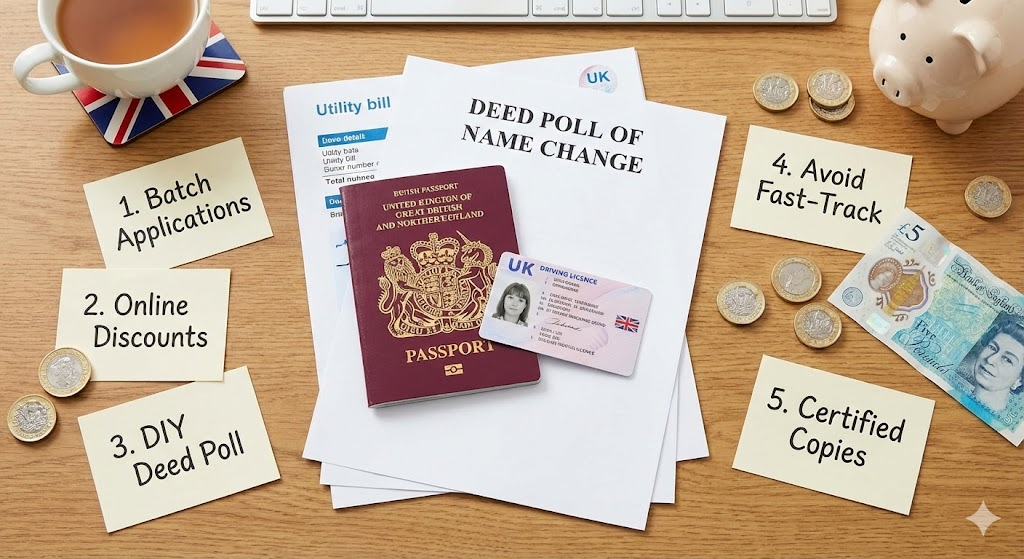
![[Person struggling with online form due to name error]](/media/blog/images/1.jpg)