How to Enrol Your Deed Poll (A Step-by-Step Guide)
In 99% of cases, we advise our customers not to enrol their Deed Poll. An "Unenrolled" Deed Poll is sufficient for passports, driving licences, and banks, and it keeps your address private.
However, there are rare circumstances—usually involving complex child arrangements or specific professional regulatory bodies—where you might be required to formally register your name change with the High Court.
Before proceeding, a final warning: Enrolling your Deed Poll will cause your old name, new name, and full home address to be permanently published on the internet via The London Gazette.
If you are sure you need to proceed, this is the definitive, step-by-step guide on how to enrol your Deed Poll with the Royal Courts of Justice.
The Prerequisites: Can You Enrol?
Not everyone is allowed to enrol their deed. To use this process, you must meet the following criteria:
- You must be aged 18 or over.
- You must be a British citizen, a British Dependent Territories citizen, a British Overseas citizen, a British subject, or a Commonwealth citizen.
- Your home address must be in the UK.
The Checklist: What You Will Need
Enrolling is more expensive and bureaucratic than a standard name change. Before starting, ensure you have:
- Money for Court Fees: Currently approx £60 (payable to HMCTS).
- Money for Solicitor Fees: Approx £5–£15 for swearing an oath.
- Your Birth Certificate.
- Marriage/Divorce Certificates (if applicable).
- A willing Solicitor or Commissioner for Oaths nearby.
Step-by-Step Guide to Enrolment
Step 1: Download the Court Forms
You need to download a specific set of forms from the UK government website (search for "LOC020"). The pack includes:
- LOC020: The Deed Poll itself for enrolment purposes.
- LOC021: The Statutory Declaration.
- LOC025: Notice for The London Gazette.
Step 2: Complete the Deed (LOC020)
Fill out the LOC020 form with your old name and new name details. You must sign this in the presence of a witness (the standard rules apply: over 18, independent, different address).
Step 3: Visit a Solicitor (The "Statutory Declaration")
This is the main difference between an enrolled and unenrolled deed. You must swear a "Statutory Declaration" (Form LOC021) confirming your identity and citizenship.
You must do this in front of a solicitor, notary public, or a commissioner for oaths. You will need to take your supporting documents (birth certificate, etc.) with you. They will charge a small cash fee for witnessing this oath.
Step 4: Pay and Post
Once everything is signed and sworn, gather all your documents, forms, and a cheque or postal order for the court fees. Send the entire bundle by recorded delivery to:
King's Bench Division,
Enrolment Section,
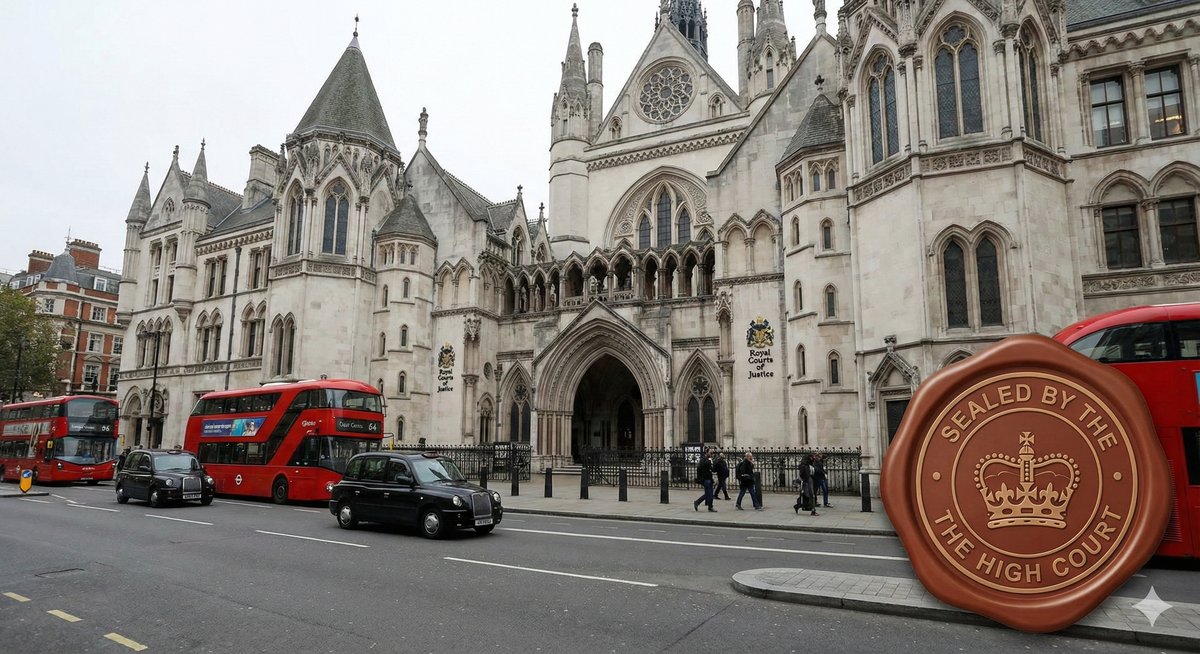
Royal Courts of Justice,
Strand,
London,
WC2A 2LL
What Happens Next?
The court will check your application. This process can take several weeks, sometimes months, depending on their backlog.
If approved, they will stamp ("seal") your Deed Poll and return it to you. Simultaneously, they will instruct The London Gazette to publish the notice containing your personal details.
A Simpler Alternative?
If reading that process made your head spin, remember: You probably don't need to do it.
Unless a court has specifically ordered you to enrol, a standard, private Unenrolled Deed Poll is faster, cheaper, and legally accepted by the Passport Office.