Can You Change Your Name While in Prison? (The Rules)
If you or a family member are currently serving a sentence, you might wonder if it is possible to change your name before release.
The short answer is: Yes, you can. You do not lose your legal right to change your name just because you are in prison.
However, the process is much stricter than it is on the outside. The Prison Service has specific rules (Prison Service Order 4455) that dictate whether they will actually recognise or use your new name.
Here is exactly how to navigate the system without breaking the rules.
Step 1: You Need the Governor's Approval
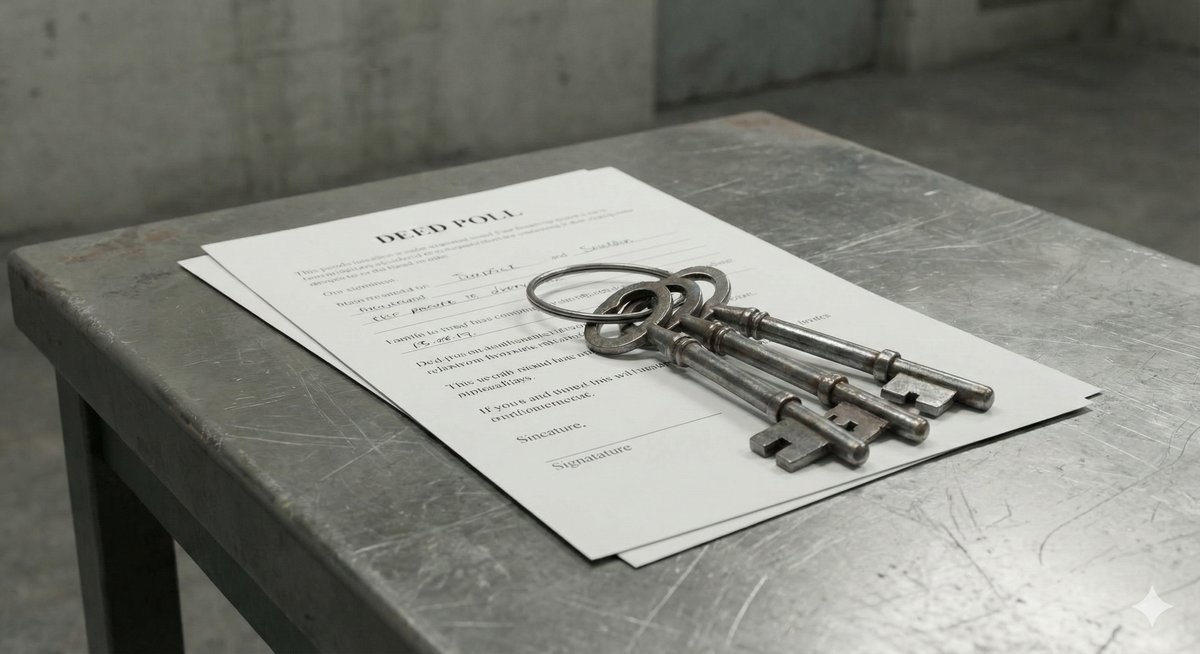
While you can legally sign a Deed Poll in your cell, it is useless if the prison staff refuse to use it. Under PSO 4455, the Governor has the discretion to accept or reject a name change request.
They will usually accept it if:
- It is for a "genuine and permanent" reason (e.g., marriage, religious conversion, or gender transition).
- You have a valid Deed Poll as proof.
They will likely reject it if:
- The new name is offensive, racist, or promotes crime.
- They believe you are changing it to avoid debt, harass victims, or create a security risk.
- You have a history of changing your name frequently.
Advice: Before you spend money on a Deed Poll, submit a formal request (often a "General Application" or "App") to the Governor stating your intention. Ask if they will recognise the change.
Step 2: Getting the Deed Poll (The Practical Part)
Prisoners do not have internet access to order a Deed Poll online. You have two options:
- Family Help: A friend or family member on the outside can order the Deed Poll for you. They simply enter your details, pay for it, and have the unsigned document posted to you in prison.
- Write to Us: You can write to a deed poll service directly, but this takes longer and paying by postal order can be complicated.
The Problem of "Witnessing"
To make the Deed Poll legal, you must sign it in front of an independent witness. This is the hardest part in prison.
- Fellow Prisoners: DO NOT use another prisoner as a witness. Outside bodies (like banks) will likely reject the document if the witness address is the same prison.
- Prison Officers: Most officers are advised not to witness legal documents for prisoners.
- The Solution: The best witnesses are usually Legal Visitors (your solicitor), a Prison Chaplain, or sometimes Education Staff. You must arrange this in advance.
Step 3: Updating Your Prison Record (F2050)
Once your Deed Poll is signed and witnessed, you must present it to the administration office. They will update your F2050 Core Record.
Note: Your "Main Name" on the system might remain as your conviction name (to prevent records getting lost), but your new name will be added as a recognised "Alias" or "Current Known As" name. This allows you to receive mail in your new name.
Important: High-Risk Offenders & Notification
If you are a high-risk offender, changing your name comes with strict legal warnings. You cannot use a name change to "hide" from the authorities.
Sex Offenders Register (ViSOR)
If you are on the register, you must notify the police within 3 days of changing your name. Failing to do so is a criminal offence punishable by up to 5 years in prison.
Probation & Licence
If you are released on licence, you must notify your Probation Officer immediately. If you try to change your name secretly to avoid supervision, you will likely be recalled to prison.
Summary: Can You Do It?
Yes. Many prisoners change their name to signal a "fresh start" before release.
If you have a family member on the outside who can help, the easiest way is for them to order the document for you.