Double-barrelled surnames are completely legal in the UK, and you do not need to be married to have one. You can combine two surnames, with or without a hyphen, in whichever order you prefer. The only question is how to make it official so banks, the Passport Office and employers all recognise it - and for that, most people need a deed poll. Here is the full 2026 guide to the rules, the pros and cons, and the practical decisions you’ll need to make.
Are Double-Barrelled Surnames Legal in the UK?
Yes. There is no law against combining surnames, and no official permission required. You can take a partner’s name alongside your own, merge two family names, or create a double-barrelled surname for your children. Can you have two surnames? Absolutely - whether you’re married, in a civil partnership, cohabiting, or doing it entirely on your own.
How to Get a Double-Barrelled Surname
If You Are Getting Married
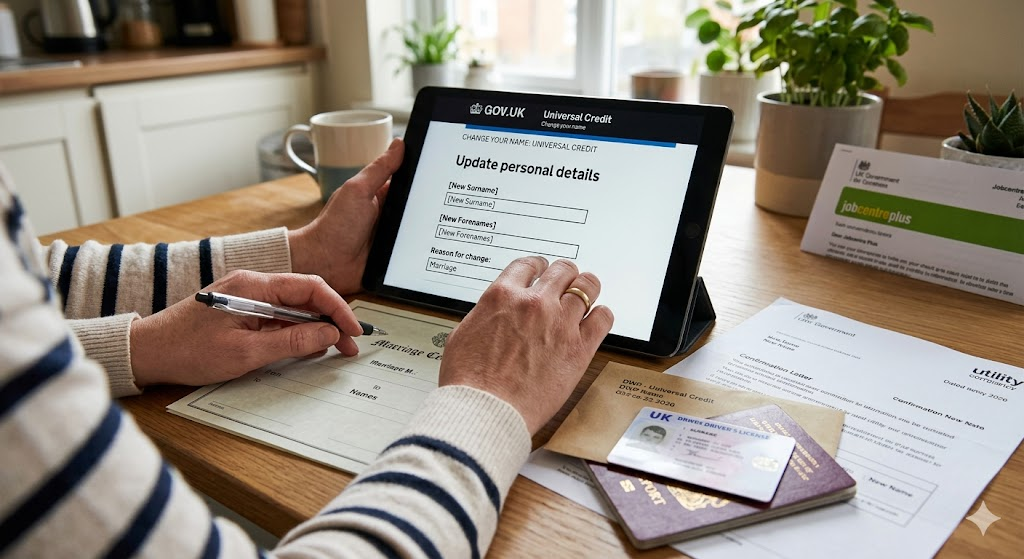
If you’re combining your surname with your spouse’s straight after the wedding, your marriage certificate is often enough to update many records. However, banks and some government bodies frequently ask for a deed poll for a double-barrelled name, because a marriage certificate proves the marriage, not a specific new name format. For universal, hassle-free acceptance, a deed poll removes any doubt.
If You Are Not Married (or Married Years Ago)
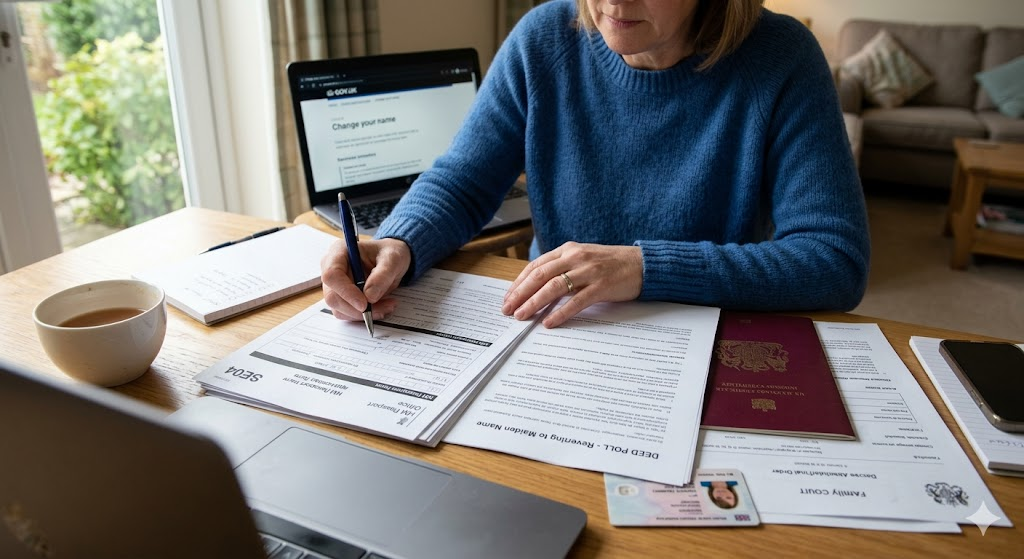
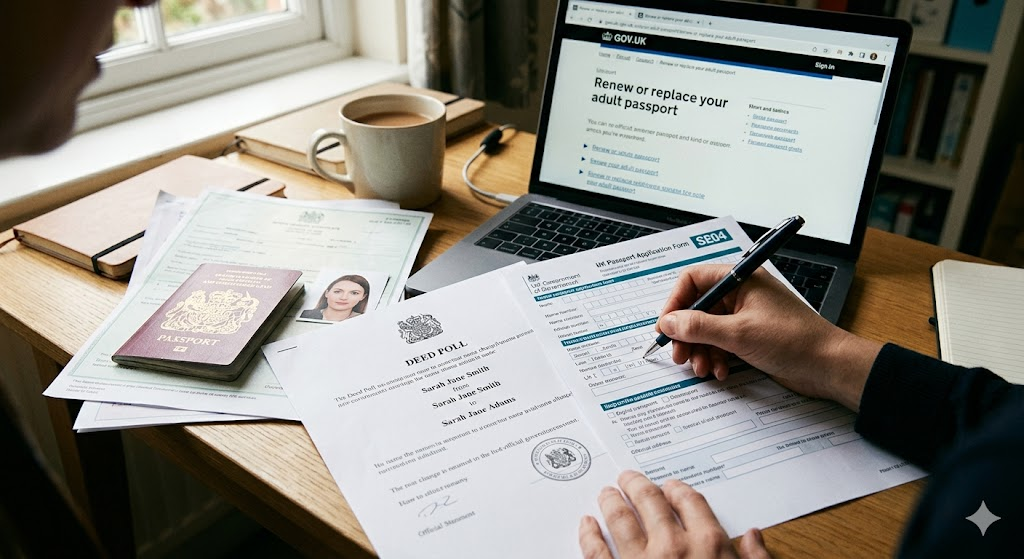
If you’re not married, or you married a while ago and the marriage certificate is no longer treated as “recent”, a deed poll is the route. It works for cohabiting couples who want a shared double-barrelled name, for blending two family names, and for anyone choosing a double-barrelled surname purely by preference. A £14.49 deed poll makes the new name legal and is accepted everywhere.
The Rules: What’s Actually Allowed
- Hyphen or space: both are valid. “Smith-Jones” and “Smith Jones” are equally legal (more on choosing below).
- Either order: you decide whether it’s “Smith-Jones” or “Jones-Smith”.
- Whose names: they don’t have to be the two partners’ surnames - you can include a parent’s or grandparent’s name to preserve lineage.
- Character limits: there’s no legal limit on length, but UK passports allow up to 30 characters for a surname, so very long combinations can get truncated on documents.
Can You Choose the Order?
Yes - the order is entirely your choice and is usually decided on how it sounds. Once you set it on your deed poll, that order becomes your legal surname, so pick the version you’ll be happy with on every document for years to come.
Hyphen or No Hyphen?
A hyphen (Taylor-Brown) makes it unmistakable that both words are one surname, which prevents admin staff filing the first part as a middle name. Without a hyphen (Taylor Brown), some systems will treat “Taylor” as a middle name. Both are legal, but if you want the fewest paperwork headaches, the hyphen is the safer choice.
The Benefits of Double-Barrelling
- Equality and partnership: both partners keep their identity rather than one giving up their name.
- Preserving family lineage: rare or meaningful surnames survive another generation.
- Professional identity: you keep recognition built under your birth name while sharing a family name.
The Cons and Considerations
- Length and admin: longer names can hit character limits on cards, forms and airline bookings.
- The “next generation” problem: if two people with double-barrelled surnames have children, you’ll need to decide which names carry forward.
- Spelling on the spot: you’ll spell it out more often than people with single surnames.
What Happens When Two Double-Barrelled People Marry?
This is one of the most-searched questions - and there’s no single rule. Couples typically choose one of four options: keep their own names; both adopt one partner’s double-barrel; pick two of the four names to form a new double-barrel; or merge into an entirely new surname. Any of these is legal, and a deed poll makes whatever you choose official. There is no requirement to carry all four names.
Can You Have More Than Two Surnames?
Legally, yes - you could triple-barrel - but it’s rarely practical because of document character limits and constant admin friction. Most people stop at two.
Just got married? See our step-by-step guide to how to change your surname after marriage, including double-barrelling both names.
Going the other way and want something shorter? See shortening and modernising an outdated surname.
Frequently Asked Questions
Can you have two surnames without being married?
Yes. Marriage is not required. A deed poll lets anyone adopt a double-barrelled surname, whether single, cohabiting or already married.
Do you need a deed poll for a double-barrelled name?
If you’re combining names just after marriage, your marriage certificate may suffice for many organisations. For every other situation - or for guaranteed acceptance by banks - a deed poll is the reliable way to make it official.
Can a double-barrelled surname have no hyphen?
Yes. A space instead of a hyphen is equally legal, though a hyphen avoids the first name being mistaken for a middle name on official systems.
What happens to the children’s surname?
You choose. Children can take one parent’s surname, a double-barrel of both, or a selected combination. Changing a child’s surname is done with a child deed poll (with the consent of everyone holding parental responsibility).
Does the order of the names matter legally?
The order is your choice, but once chosen it becomes your legal surname in that exact order, so keep it consistent across all documents.
Make Your Double-Barrelled Name Official - £14.49
Whether you’re marrying, cohabiting or simply love how two names sound together, a professionally printed UK deed poll from UK Name Change makes your double-barrelled surname legal for £14.49 - same-day dispatch, tracked delivery, and accepted by the Passport Office, DVLA, banks and all UK organisations.