Fostering is about providing a safe, loving home for a child who cannot live with their birth family. Over time, foster children often become an integral part of the family unit, and it is natural for carers—and the children themselves—to want to solidify that bond.
A common question we receive from long-term foster carers is: "Can we change our foster child's surname to ours?"
Unlike adoption, where a name change is standard, fostering operates under very different legal rules. The short answer is: No, foster carers cannot legally change a child's name on their own.
Here is a detailed breakdown of the regulations, the barriers, and the rare exceptions.
The Golden Rule: You Do Not Have Parental Responsibility
The biggest legal hurdle is Parental Responsibility (PR).
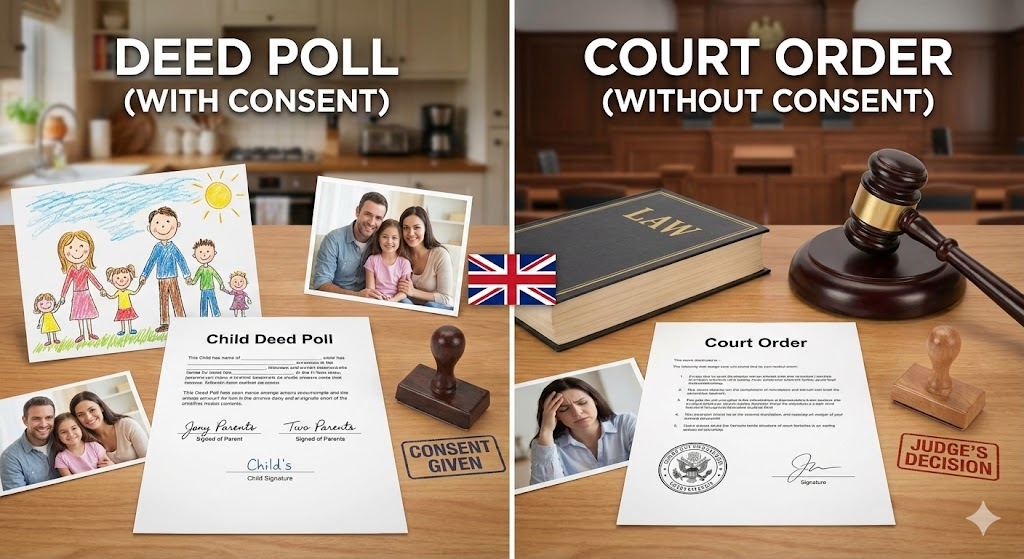
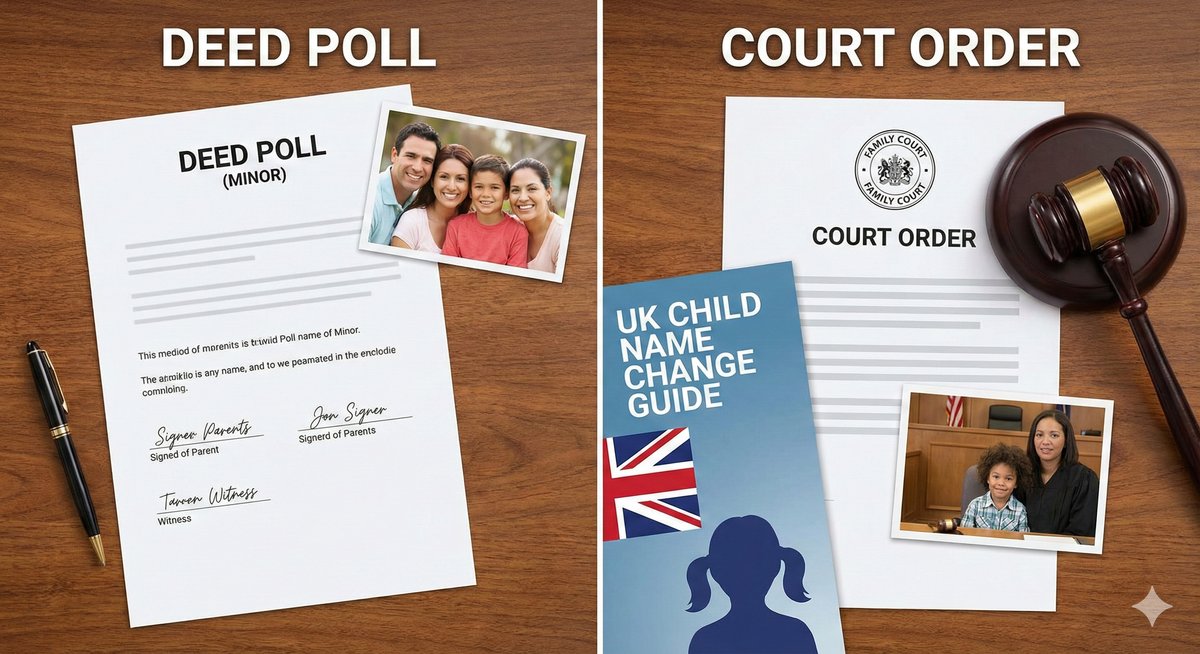
To change a child's name via Deed Poll, you need the consent of everyone with Parental Responsibility.
- In Adoption: The adoptive parents gain full PR and the birth parents lose it.
- In Fostering: The foster carers generally do not have PR. Instead, PR is usually shared between the Local Authority (under a Care Order) and the Birth Parents.
Because you do not have the legal power to authorise a name change, you cannot sign a Deed Poll for a foster child. Doing so would be legally invalid and potentially a breach of fostering regulations.
The Local Authority's Position
For a name change to happen, the Local Authority (Social Services) must agree to it. However, their default position is usually to preserve the child's original identity.
Social workers are guided to keep a foster child's birth name unless there are exceptional circumstances. This is because:
- Reunification Goal: Fostering is often (though not always) viewed with the hope that the child might eventually return to their birth family.
- Identity: A name is a crucial link to a child's history, heritage, and biological family. Removing it can be seen as erasing their past.
The Birth Parents' Rights
Even if the child is under a full Care Order and living with you long-term, the birth parents usually retain Parental Responsibility. This means the Local Authority cannot simply agree to a name change behind the parents' backs.
In most cases, the birth parents must consent. Unsurprisingly, many birth parents refuse to allow their child's surname to be changed to that of the foster carers, as it symbolises a final severing of ties.
Exceptions: When IS it allowed?
While rare, name changes for foster children do happen. This usually occurs in two scenarios:
1. Safety and Protection
If the child or the foster family is at significant risk (e.g., from a dangerous family member or gang affiliation), the Local Authority may apply to the court to change the child's identity for their own protection. This is a high-level legal decision, not a lifestyle choice.
2. Long-Term Settlement (Teenagers)
If a child has been with foster carers for many years and feels a desperate psychological need to share their name, the Local Authority might support a change.
- The Process: This would typically require a court order (Specific Issue Order). The judge would weigh the child's strong wishes against the loss of their birth identity.
- "Known As" Names: Often, schools and GPs may allow a child to be "known as" the foster surname day-to-day (e.g., on the class register), while keeping their legal name on official documents. This is a common compromise.
Children Aged 16+
Once a foster child turns 16, the rules soften slightly.
A 16-year-old can technically apply for their own Adult Deed Poll without parental consent. However, if they are still legally "Looked After" (in care), the Local Authority still has a duty of care. While a 16-year-old has more autonomy, we strongly advise that they discuss this with their Personal Advisor or Social Worker to ensure it doesn't conflict with any care plans.
Summary
| Who Signs the Deed Poll? | Is Consent Needed? |
|---|---|
| Foster Carer | No. You cannot sign. |
| Local Authority | Yes. They must authorise it. |
| Birth Parents | Yes. They usually retain PR. |
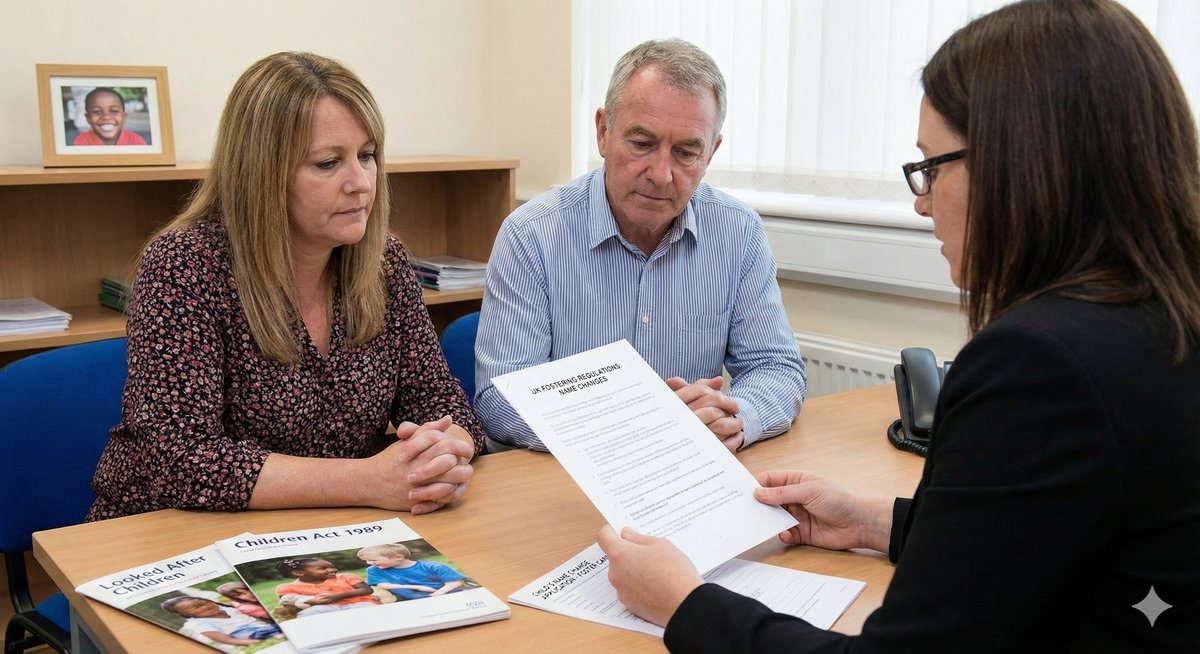
If you feel strongly that a name change is in your foster child's best interests, your first step is to speak to the child's Social Worker. Do not purchase a Deed Poll until you have written permission from the Local Authority.
Note: If you proceed to adopt the child or obtain a Special Guardianship Order (SGO), your rights change significantly, and you may then have the power to change their name.
Have you moved from fostering to Special Guardianship? Contact us to see how this changes your legal standing.