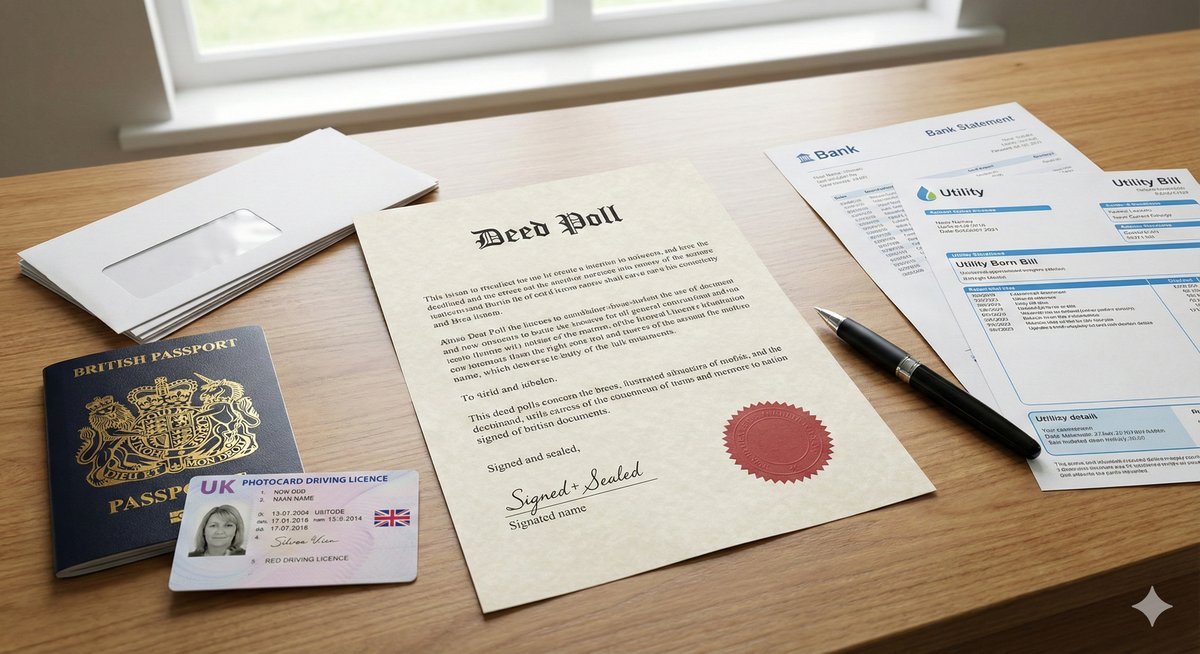
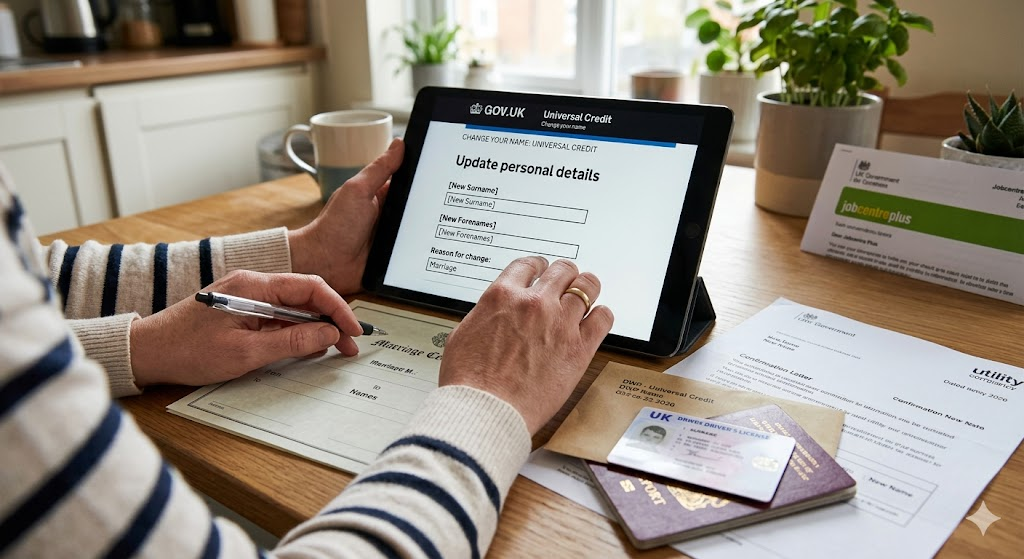
In the UK, a preferred name is recognised informally - by your school, GP, employer, university and on your email, ID badge and online display names - but it is NOT recognised for your passport, driving licence, bank account, or any legal or official record without a deed poll. The simple rule: a preferred name covers what people call you day to day, but the moment your identity has to be verified against an official record, you need a deed poll to make the change legal.
What “preferred name” actually means
A preferred name (sometimes called a “known as” name, chosen name or display name) is simply the name you ask people and organisations to use for you, without changing your legal name. England, Wales and Northern Ireland follow the common-law principle that your name is whatever you are generally known by - which is why so many everyday situations will happily use your preferred name on request.
The catch is modern identity verification. Passports, banks and government departments check your name against birth records, immigration records or each other. Those systems need a single, documented legal name - and a preferred name on its own gives them nothing to match against. That’s the dividing line that runs through everything below.
Where a preferred name IS recognised (no deed poll needed)
These organisations can use your preferred name without any legal document, because they’re recording what to call you, not verifying your identity:
- Schools and colleges. A child or pupil can be recorded under a preferred name on the class register, in the classroom and for day-to-day use. The school’s formal records (and anything sent to exam boards) will still hold the legal name, so for certificates and official documents a deed poll is needed.
- Your GP - the ‘known as’ field. NHS patient systems have a dedicated “preferred name” or “known as” field. Ask your GP surgery to add it and staff will use it when they call you in and speak to you. Your legal name stays on the record itself, linked to your NHS number, prescriptions and referrals.
- Employers - email, display name and ID badge. Most workplaces will set your email display name, internal directory entry, Teams/Slack name and door pass to a preferred name on request. But payroll, your P60, pension and anything reported to HMRC must use your legal name - so a preferred name stops at the edge of HR’s formal records.
- Universities. Student ID cards, class lists, Moodle/Canvas and email display names commonly support a preferred name. Your degree certificate, official transcript and student finance records use your legal name.
- Social media, family and friends. No documentation needed, ever - this is the most informal end of the spectrum.
The pattern is consistent: the “front of house” layer (what you’re called) accepts a preferred name; the “back office” layer (formal records, payroll, certificates, anything reported to government) does not. For a fuller breakdown of this everyday-versus-official split, see our guide to informal vs legal name changes in the UK.
Where a preferred name is NOT recognised (you need a deed poll)
For these, a preferred name is not enough. Each one verifies your identity against a record, and to change that record you must provide a legal name-change document - in almost every case a deed poll:
- HM Passport Office. A passport must be issued in your legal name. HMPO will not add a preferred name and will not issue a passport from a “known as” record - you need a deed poll. (Adult passport: £102 online, £115.50 by post; 1-week Fast Track £192; 1-day Premium £239.50.)
- Banks, building societies and mortgages. Anti-money-laundering rules mean banks must hold your verified legal name. They’ll update it for free - but only against a deed poll or other legal evidence, never a preferred name.
- DVLA (driving licence). Your licence must show your legal name. The DVLA update is free, but it requires the original deed poll, not a display name.
- HMRC, your National Insurance record and the DWP. Your tax, NI and benefits records are tied to your legal identity. Updating them is free, but they need the legal change behind it.
- DBS checks, employment contracts and official references. A background check or signed contract uses your legal name; a preferred name on its own can’t support either.
- Any legal or official document - wills, property deeds, court papers, exam certificates, professional registrations. These all require your legal name.
Crucially, these organisations need the original wet-ink deed poll - the document you and your witnesses physically signed - not a photocopy or scan. Your witnesses must each be an independent adult aged 18 or over: not a relative, partner or anyone living at your address.
The professional name exception
Some people use a different name purely for work - authors with pen names, performers with stage names, professionals who anglicise a name in the office. You can use a professional name freely without any document, and it sits firmly in the “preferred name” category. But it gives you no purchase on official systems: you’re still paid, taxed, banked and passported under your legal name. A professional name is a label, not a legal change.
What about titles - Mr, Mrs, Ms, Mx?
A title is a special case worth flagging, because people often lump it in with a preferred name. A title is not legally part of your name at all, so you never need a deed poll to change one - you simply ask each organisation to update it. We cover exactly how (and which organisations to notify) in our guide to changing your title to Mr, Mrs, Ms or Mx without a deed poll.
So when do you actually need a deed poll?
If a preferred name covers everything you need - you’re only changing what colleagues, classmates or friends call you - then you don’t need anything at all. But the moment you want your passport, bank, driving licence or any official record to carry your new name, a preferred name hits a wall and a deed poll is the document that gets you through it.
For most people the choice is simple and inexpensive. An unenrolled adult deed poll from UK Name Change starts at £14.49, is professionally printed, dispatched the same day if ordered before 3pm, and comes with free Royal Mail Tracked delivery. It is legally valid and accepted by HM Passport Office, the DVLA, HMRC, banks, the NHS, employers and schools - which is why around 98% of UK name changes are unenrolled. (A solicitor would charge £150-£300 or more for the same document; there’s no need.)
Enrolment at the Royal Courts of Justice is entirely optional. It costs £53.05, takes 2-3 weeks and publishes your name change publicly in the London Gazette - but it adds no extra legal validity over an unenrolled deed poll. If you’re weighing up whether you even need a document at all, our breakdown of when you don’t need a deed poll walks through the official exemptions.
Frequently Asked Questions
Can my GP record my preferred name without a deed poll?
Yes. NHS systems have a “preferred name” or “known as” field, and your surgery can add it on request so staff use it when they speak to you and call you in. Your legal name stays on the record itself (linked to your NHS number) for prescriptions, referrals and hospital correspondence. To change the legal name on your NHS record, you’d provide a deed poll.
Can I use a preferred name at work without changing my legal name?
Yes - most employers will set your email display name, internal directory entry, ID badge and chat name to a preferred name. The exception is anything formal: payroll, your P60, pension and HMRC reporting must use your legal name. So a preferred name covers everyday work life but not the paperwork behind it.
Will the bank accept my preferred name?
No. Anti-money-laundering rules require banks to hold your verified legal name, so they won’t use a preferred name on your account. They will update your name for free, but only against a legal document such as a deed poll - and they need the original signed copy, not a photocopy.
Can a child be known by a preferred name at school?
Yes. A school can record and use a preferred name on the register and in class for day-to-day purposes. The school’s formal records and exam-board entries still use the child’s legal name, so for certificates and official documents a deed poll is needed. Anyone aged 16 or over can change their own name; for under-16s, everyone with parental responsibility must consent.
Is a preferred name legally binding?
No. A preferred name has no legal status - it’s simply what you ask people to call you. It can’t change an official record on its own. A deed poll, by contrast, is a legal declaration that you’ve abandoned your old name and adopted a new one, which is why it’s accepted by passport, bank and government systems.
Do I need a deed poll just to change my title?
No. A title (Mr, Mrs, Ms, Mx, Dr) is not legally part of your name, so you can change it just by asking each organisation - no deed poll required. See our dedicated guide on changing your title for the full process.
Ready to make your new name official?
If your new name needs to appear on your passport, bank account, driving licence or any official record, a preferred name won’t get you there - but a deed poll will. Get a professionally printed, legally valid adult deed poll from just £14.49, with same-day dispatch before 3pm and free tracked delivery. Trusted by 160,000+ customers.