For centuries, the script was written before the wedding even began: the bride takes the groom's name. In recent decades, double-barrelling became the popular alternative for couples seeking equality. But now, a third option is rising in popularity across the UK: the "Fresh Start."
Rather than wrestling with whose name goes first, or dealing with a triple-barrelled tongue-twister, many couples are choosing to ditch their old names entirely and adopt a brand-new surname to share. It is a romantic, symbolic gesture that signifies the creation of a new family unit.
Whether you want to "mesh" your names together or pick a new name out of a hat, here is how to navigate the legalities of creating a new surname after marriage.
What Are Your Options?
There are generally two ways couples go about this:
1. Name Meshing (The "Mash-Up")
This involves taking syllables from both partners' surnames to create a new one. It preserves a linguistic link to both families while creating a unified identity.
- Example: Mr. Ward + Ms. Robinson = The Warins.
- Example: Ms. Chase + Mr. Ellton = The Chaltons.
2. The Brand New Name
Some couples choose a name that has no connection to their birth names but holds personal significance. It might be a place where they met, a value they share (e.g., Truman or Best), or simply a name they both like.
The Important Legal Rule: A Marriage Certificate is Not Enough
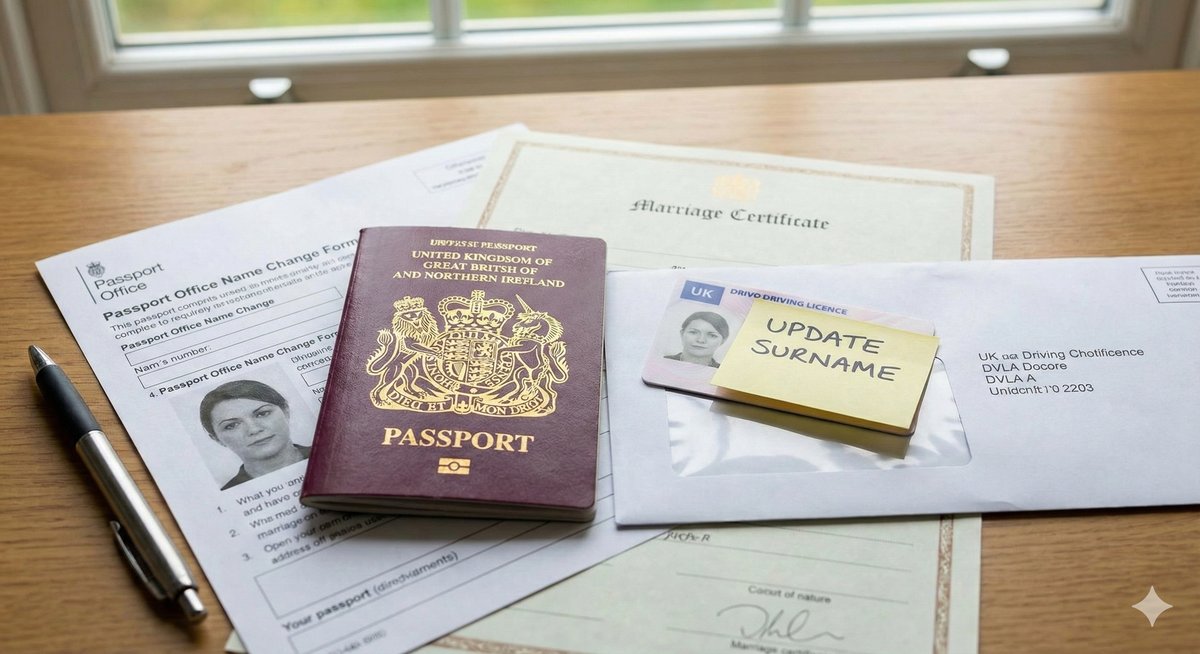
This is the most critical point to understand. You cannot use your Marriage Certificate to create a new name.
In the UK, a Marriage Certificate authorises you to take your spouse's surname. Government bodies and banks interpret this strictly. They will accept:
- A swap (You take their name).
- A hyphenation (sometimes, though banks can be tricky).
They will not accept a name that does not appear on the certificate. If you walk into the Passport Office asking to be "Mr and Mrs Chalton" when your certificate says "Chase" and "Ellton," your application will be rejected immediately.
How to Make the Change: The Deed Poll Process
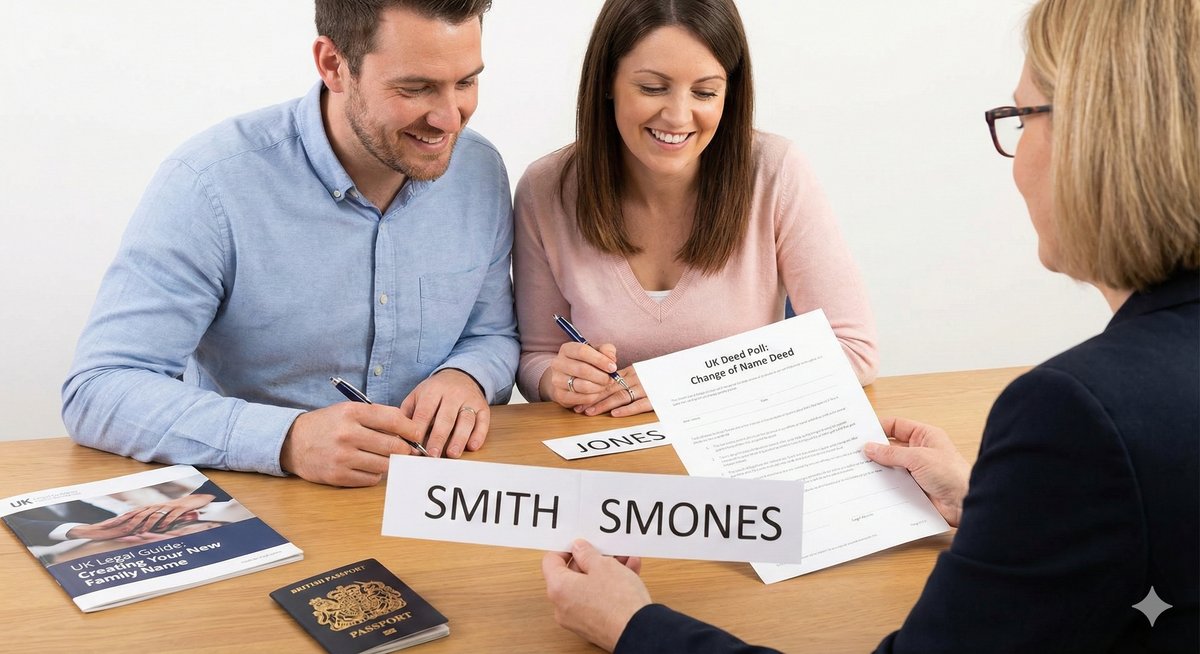
Because you are creating a name that doesn't legally exist yet in your relationship, you must both change your names individually using a Deed Poll.
Step 1: Agree on the Name
This sounds obvious, but make sure you are 100% happy with the spelling. Once the legal documents are signed, changing it back or tweaking a letter requires a whole new application.
Step 2: Obtain Two Deed Polls
You need two separate Deed Polls—one for each partner.
- Partner A's Deed Poll: Changes name from [Old Name] to [New Shared Name].
- Partner B's Deed Poll: Changes name from [Old Name] to [New Shared Name].
You can execute these documents either before or after the wedding.
- Before the Wedding: You can change your names to match before the ceremony. This means your Marriage Certificate will be issued in your new, shared name, which looks very neat.
- After the Wedding: You marry in your birth names, and then both sign Deed Polls afterwards. This is the most common route, as it avoids rushing paperwork before the big day.
Step 3: Update Your Records
Once you have your signed and witnessed Deed Polls, you function just like any other name changer. You must send your original Deed Poll to:
- HM Passport Office
- The DVLA
- Your Banks and Mortgage Providers
- HMRC
Since you are both changing your names, you will both need to go through this administrative checklist simultaneously.
Pros and Cons of a New Surname
Before you commit to the "Fresh Start," it is worth weighing up the implications.
The Benefits
- True Equality: Neither partner is "giving up" their name for the other. You are both making a change together.
- Simplicity: You avoid the length and complexity of double-barrelling.
- Identity: It fosters a very strong sense of "Team Us."
The Drawbacks
- Family Friction: Parents can sometimes feel hurt that you are erasing the family name. It is often worth explaining your decision to them gently before the wedding.
- Genealogy: It makes tracing family trees harder for future generations (though your marriage certificate and birth records will still link you to your ancestors).
- Professional Impact: If you both have established careers, you are both effectively "rebranding" at the same time, which can be confusing for clients.
Frequently Asked Questions
Does it cost more?
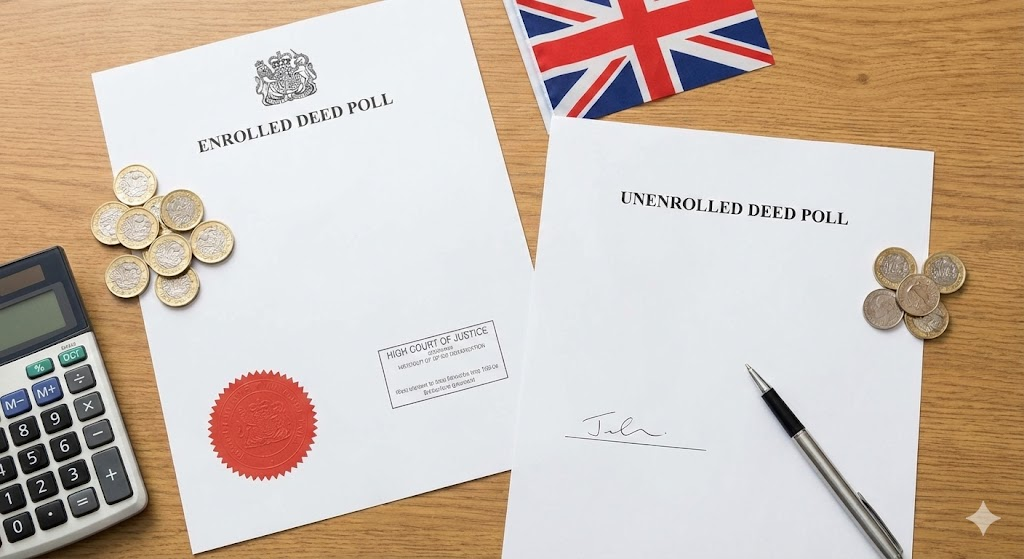
Slightly, yes. Because you need two separate Deed Polls (one for each person) rather than just using a free Marriage Certificate, there is a small cost involved. However, the ease of having a clear legal document usually outweighs the fee.
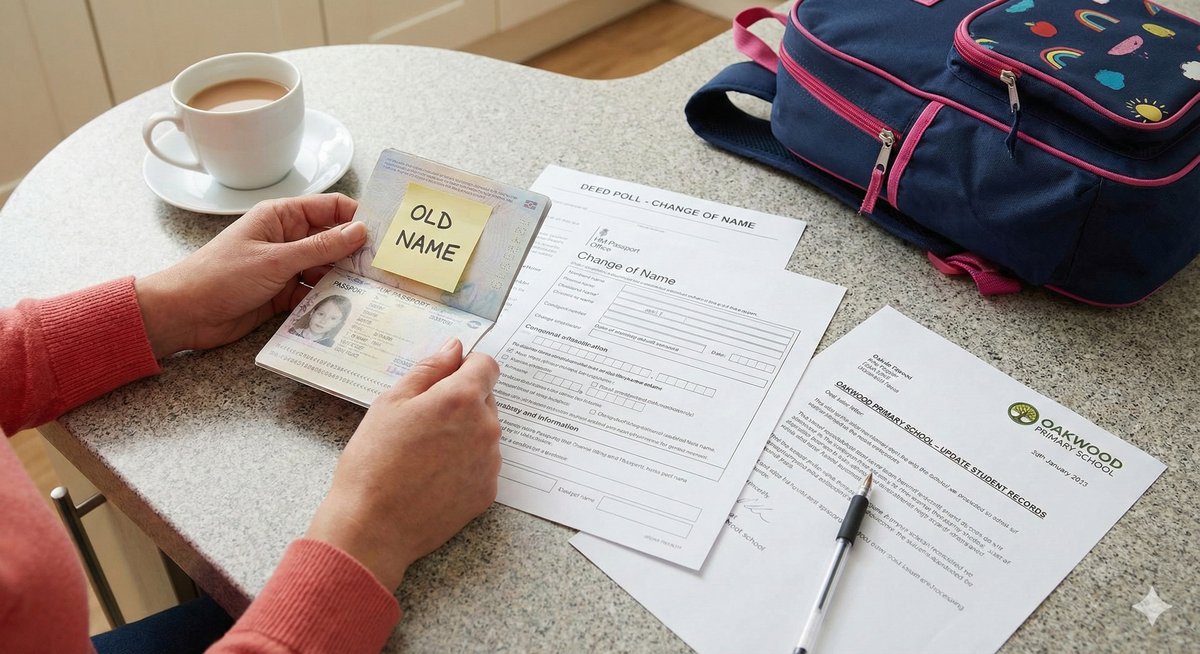
Can we change our children's names too?
Yes. If you already have children, you can issue a Child Deed Poll to update their surnames to match your new family name. If you haven't had children yet, they will simply take your new surname automatically on their birth certificates.
Conclusion
Creating a new surname is a bold, modern, and exciting way to begin a marriage. It sets a precedent that your partnership is something entirely new and unique.
However, it is vital to get the paperwork right. Don't rely on a Marriage Certificate that won't do the job. Ensure you both have valid Deed Polls to ensure a smooth transition with the authorities.
Have you picked your new family name? Contact our team today to order your 'Couples Deed Poll' pack and make it official.